Detection Dataset
2970
Total images with manually labeled bounding boxes.
Sri Lankan License Plate Recognition Dataset
A real-world dataset for license plate detection and recognition in complex Sri Lankan traffic scenes.
Existing datasets do not capture the diversity of vehicle types and non-lane-disciplined traffic conditions in Sri Lanka. SL-LPR addresses this gap with carefully collected and annotated real-world traffic data.
2970
Total images with manually labeled bounding boxes.
3412
License plates standardized to the CAA 0923 8-character format.
Duplicate filtering applied (max 3 per plate with varying clarity) and unreadable images removed.
Examples from the dataset are shown below.
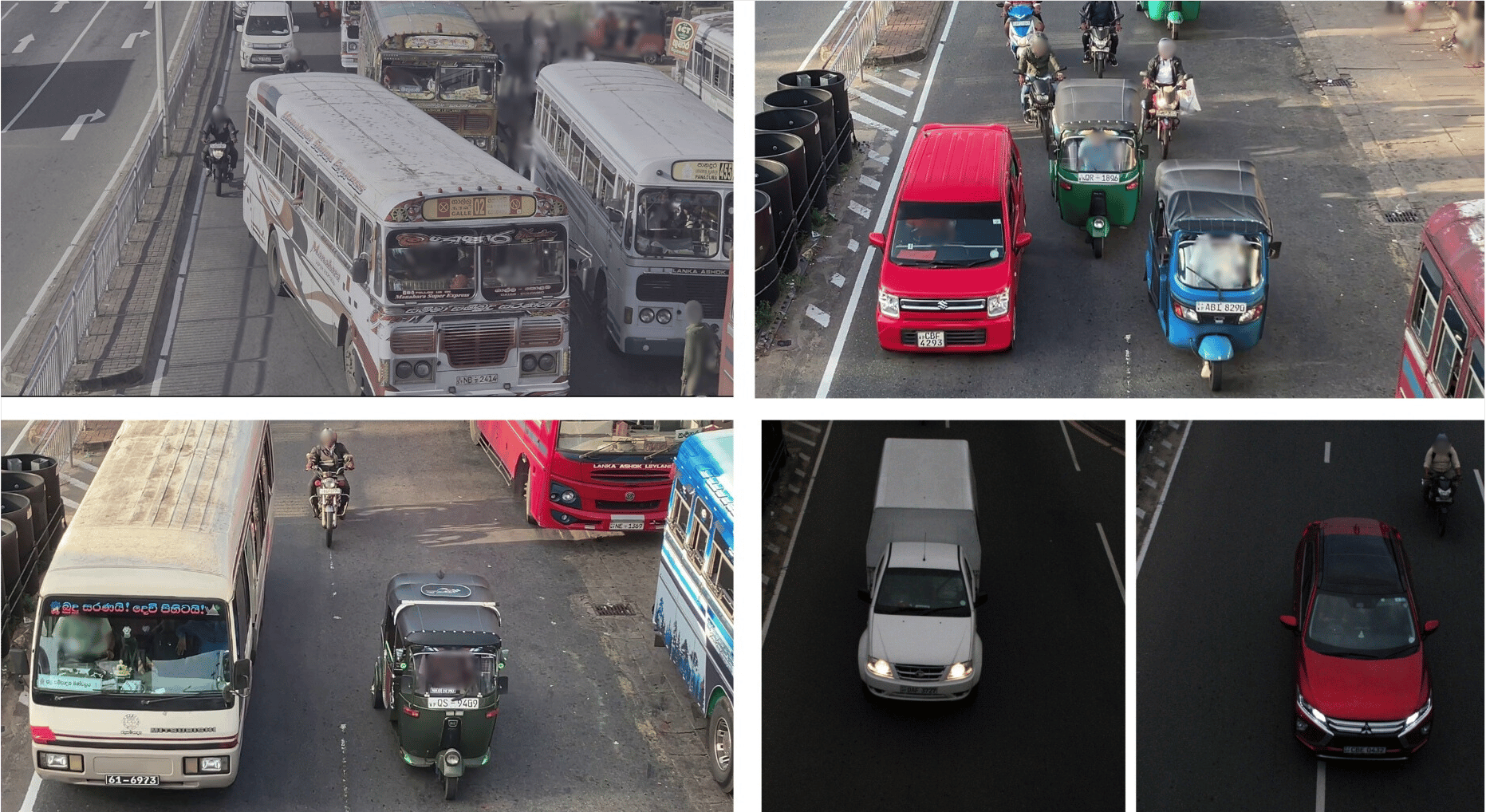
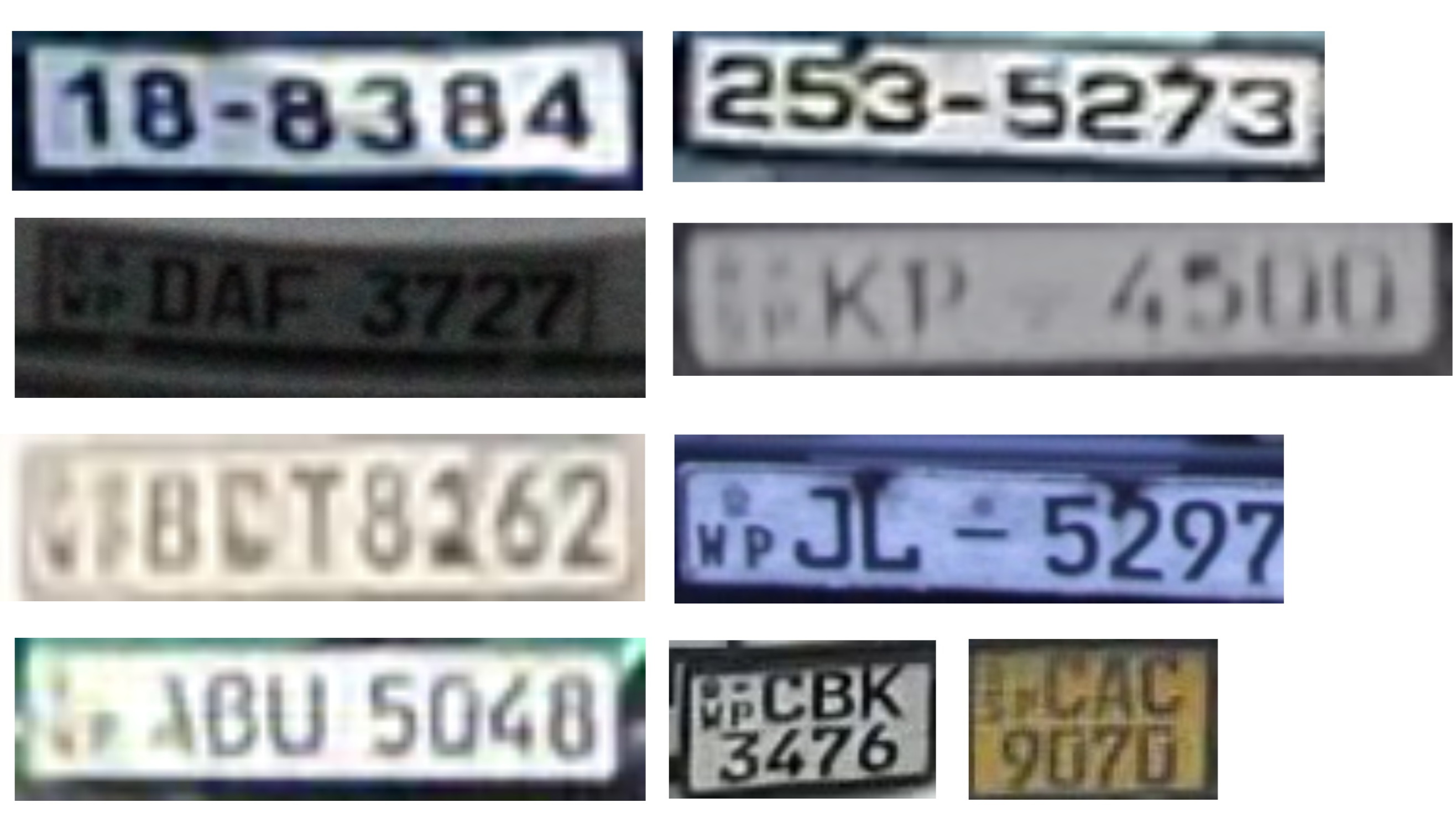
The SL-LPR dataset was developed by the project team with academic supervision and industry support.
Title: An Embedded Real-Time License Plate Recognition System for Complex Traffic Scenes
Accepted at: IEEE Intelligent Transportation Systems Society Conference (ITSC 2026), Naples, Italy
Project explanation: Watch on YouTube
Paper link: Will be added soon
Citation: Will be added soon
Click the request form, complete all fields, and tick the agreement checkbox before submitting.
Email: manimohant.20@uom.lk
User agreement: Read agreement page
Request form: Open dataset access form
Prefer using a university/institution email. Typical response time is 3-7 working days.
| Date | Update |
|---|---|
| 2026 | Initial release |
| Upcoming | Paper and citation details |
We are grateful to the following parties who helped make this project successful.
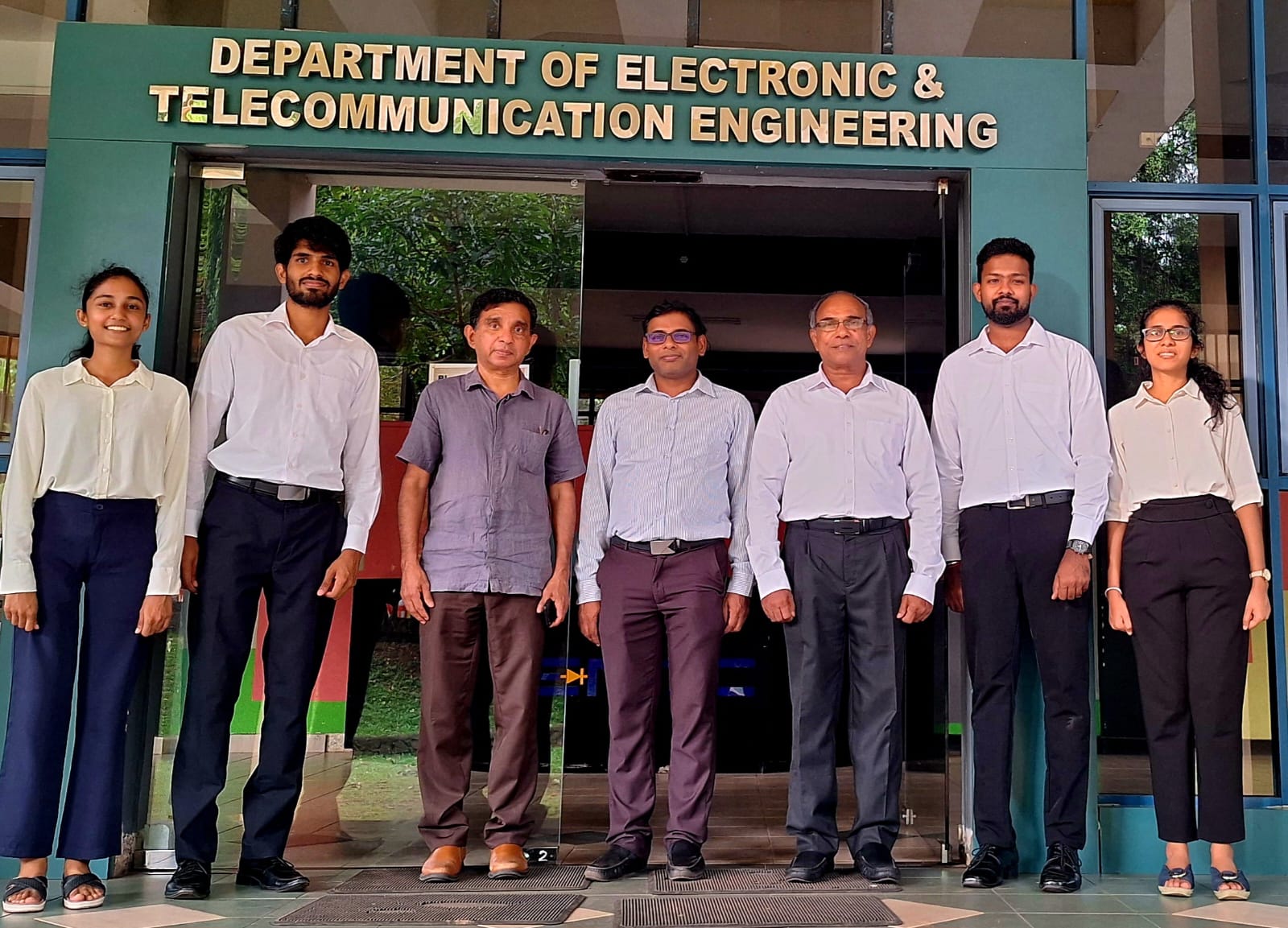
Dr. Sampath Perera and Eng. Kithsiri Samarasinghe actively supervised the project and provided guidance. Dr. Ajith Pasqual connected us with this project and important resource personnel. The staff of PEX Microsystems informed us of industry standards, provided professional opinions, and assisted with development board selection. PEX Microsystems also provided funding for the development boards.
Prof. Saman Bandara, Member of the National Council for Road Safety (NCRS), helped to submit a proposal to the NCRS.
Dr. Ranga Rodrigo and the National Research Council of Sri Lanka (NRC, Grant No. 19-080) provided us with the computational resources needed for training the machine learning models.
Further, we are grateful to the Sri Lanka Police and the Road Development Authority (RDA) for giving us permission to test our product on normal roads and the Southern Expressway.
We truly appreciate their combined expertise, mentorship, and support throughout this project.